Overview
Strive for Five requires strict temperature control for vaccine storage, typically between +2°C and +8°C, with a target of +5°C.
Most pharmacy systems are designed to meet these requirements through continuous temperature monitoring and cloud-based alerts.
However:
👉 Temperature monitoring alone does not detect developing refrigeration issues.
A fridge can appear to be operating normally—while its performance is already deteriorating.
Most pharmacy systems confirm temperature compliance.
Temp Assure goes further by providing visibility into whether the fridge itself is starting to fail.
This changes temperature monitoring from reactive to proactive.
If you would like to register interest in being an early adopter please click here
What Strive for Five Requires
To meet Strive for Five requirements, pharmacies must ensure:
- Continuous temperature monitoring
- Defined alarm thresholds
- Documented breach management
- Secure record retention
- Evidence suitable for audit
Failure to meet these requirements can result in:
- Spoiled vaccine stock
- Financial loss
- Failed audits
- Reputational risk
👉 Compliance is not just about recording temperature—it is about defensibility.
Strive for Five vaccine storage guidelines, published by Australian health authorities, define the requirements for safe vaccine storage and monitoring.
Why Manual Checks Are Not Enough
Manual checks and spot readings:
- Miss overnight excursions
- Cannot document breach duration
- Do not provide automated alerts
Continuous monitoring ensures:
- Immediate detection of temperature excursions
- Automatic breach documentation
- Secure cloud storage
- Remote visibility
👉 This removes uncertainty and supports audit readiness.
Where Strive for Five Monitoring Falls Short
Modern pharmacy fridges often include cloud-connected monitoring systems with an air temperature sensor and a glycol immersed probe (sometimes optional)
These systems are essential for compliance—but they rely entirely on temperature.
Under Strive for Five guidelines, temperature excursions typically require action when:
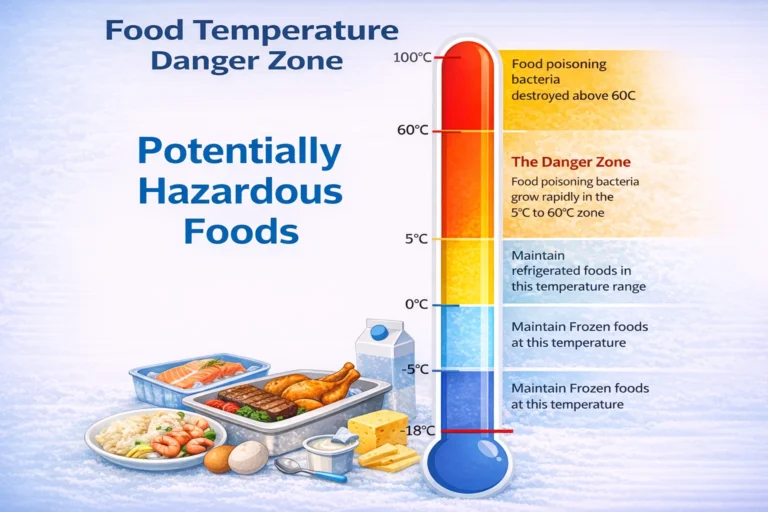
- Temperature falls below +2°C or rises above +8°C
- This breach occurs for a sustained period (for example, around 15 minutes depending on system configuration)
This means:
- Alerts are triggered after the temperature has already moved outside acceptable limits for sufficiently long to require reporting.
- Underlying system issues are not detected early
- Staff are left reacting to breaches rather than preventing them
👉 In practice, alerts may occur when vaccine integrity is already at risk—leaving limited time for staff to assess and respond before further degradation occurs.
Strive for Five defines the temperature range. It does not detect a fridge that is starting to fail.
Changes Occur Before Temperature Is Affected
Refrigeration systems rarely fail without warning.
Before temperature is affected, subtle changes begin to occur in system performance. These changes are typically not visible during normal operation and can develop over time without triggering any alerts.
As a result, a fridge may appear to be operating correctly—even while it is beginning to move toward failure.
👉 These early changes are not detectable through temperature monitoring alone.
A More Complete Approach: Compliance + Early Detection
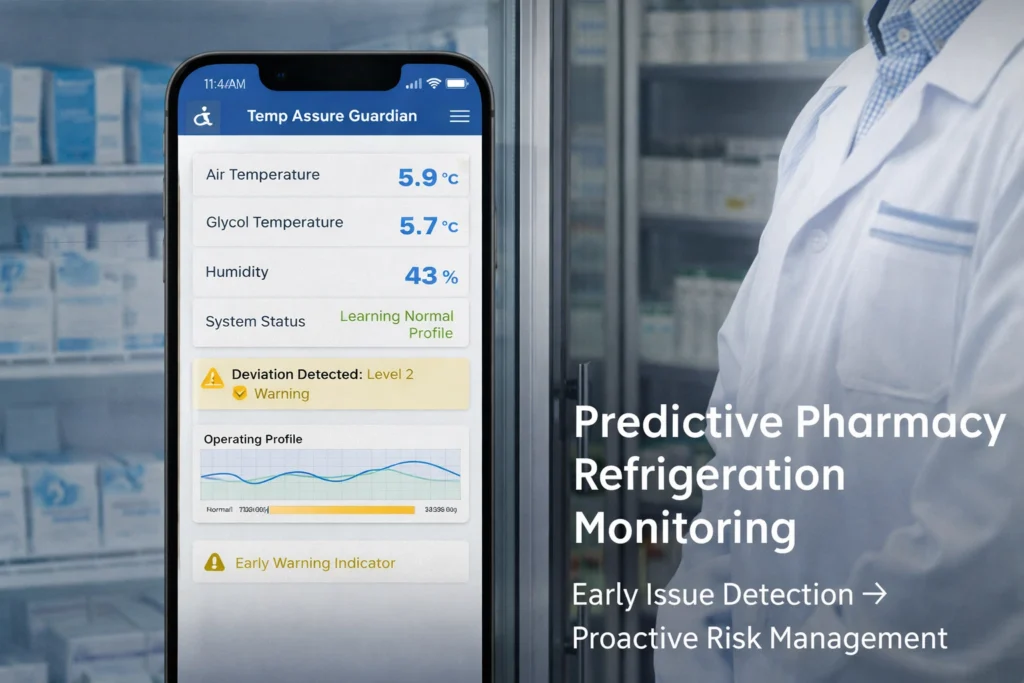
Temp Assure Guardian is designed to complement temperature monitoring by providing visibility into how the refrigeration system is operating.
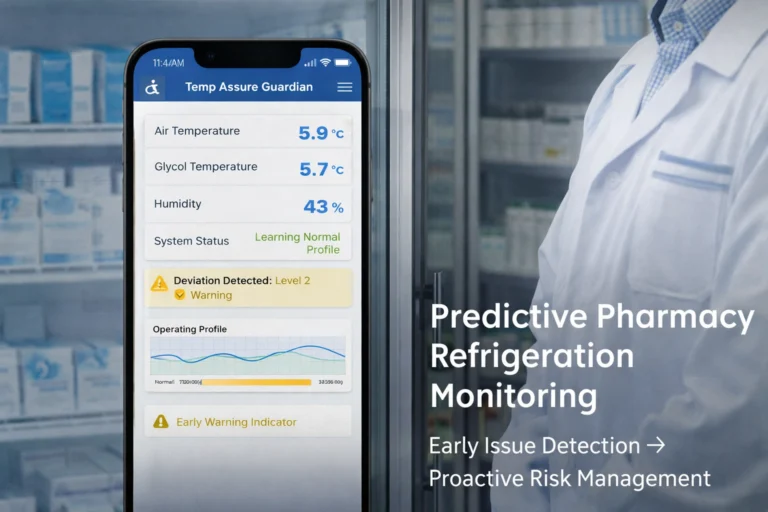
Rather than relying on temperature alone, Guardian analyses operating behaviour over time—learning what “normal” looks like for each system and identifying changes that may indicate developing issues.
This includes:
- Overall system operating behaviour
- Performance trends over time
- Deviations from normal operation
By continuously learning and comparing current performance against established patterns, Guardian can help identify developing issues earlier—before temperature excursions occur.
👉 This supports proactive maintenance and reduces the risk of unexpected fridge failure.
Guardian doesn’t just monitor temperature—it learns how your refrigeration system behaves.
Even if you already have a Strive for Five monitoring system, Temp Assure Guardian adds an independent layer of protection—helping to identify issues before temperature is affected.
If you don’t yet have a Strive for Five compliant system, Temp Assure provides a complete monitoring solution with internal air temperature sensing, an optional glycol probe, and integrated humidity monitoring. This system includes Temp Assure Guardian.
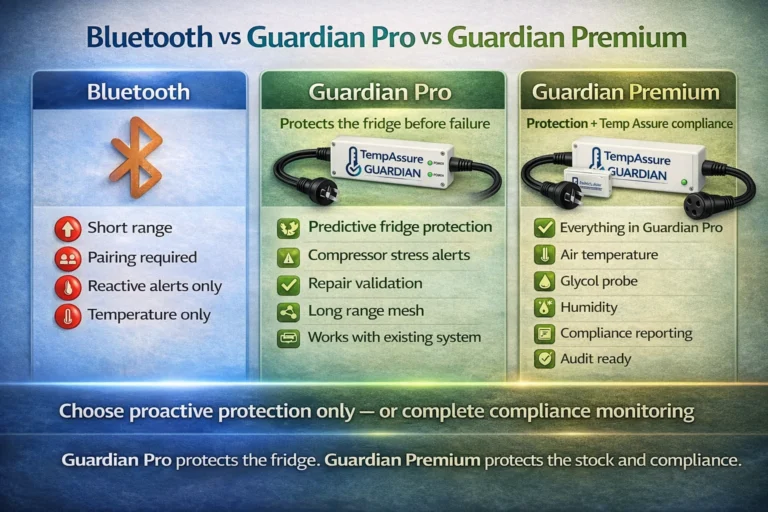
Traditional Monitoring vs Temp Assure Approach
| Capabilities | Traditional Systems | Temp Assure Approach |
|---|---|---|
| Cloud-Based Temperature Monitoring | Yes | Yes |
| Strive for Five Compliance | Supports | Supports and extends |
| Visibility before temperature breaches | No | Yes |
| Visibility into system performance | No | Yes |
| Early indication of developing issues | No | Yes |
| Risk to Vaccine Integrity | Medium | Reduced |
Temp Assure Guardian is designed to deliver both compliance and earlier visibility of developing issues—helping shift monitoring from reactive alerts to proactive protection.
Where This Makes a Real Difference
In pharmacy environments, refrigeration failures rarely occur without warning—but those warnings are not visible through temperature monitoring alone.
A system that only reports temperature may confirm compliance, but it does not indicate whether the fridge is operating efficiently or beginning to fail.
👉 By providing visibility into system behaviour, developing issues can be identified earlier—allowing action before temperature excursions occur.
The Bottom Line
Strive for Five compliance requires accurate temperature monitoring and defensible records.
But:
👉 Temperature monitoring alone does not detect developing refrigeration issues.
A more complete approach combines:
- Compliance monitoring
- Visibility into system performance
- Alerts when fridge operating parameters deviate from normal.
This helps reduce the likelihood of unexpected failures, product loss, and compliance breaches.
Learn More
For a deeper understanding of how refrigeration systems fail and why temperature monitoring alone may not be enough, see:
👉Early Signs of Refrigeration Failure — Why Temperature Monitoring Alone Isn’t Enough